Man and van West Brompton Lillie Road Fulham Road pickups: a practical local guide
If you are arranging a Man and van West Brompton Lillie Road Fulham Road pickups job, you are probably trying to solve a very ordinary, slightly stressful problem: how to move something quickly, safely, and without turning a simple pickup into a full-blown moving day. Maybe it is a sofa from a flat off Fulham Road. Maybe a few boxes, a bed, or stock from a small business near Lillie Road. Whatever the load, the right man and van setup can make the whole thing feel calm instead of chaotic.
In this guide, we will break down how these pickups usually work, who they suit best, what to watch out for, and how to plan them properly in a busy part of West London. You will also find a comparison table, a checklist, and a realistic example so you can judge whether this is the right move for you. To be fair, the details matter more than people think.
For broader moving help, you may also find it useful to look at man and van services, general removal services, or local removals near me options if your job is a little bigger than a simple pickup.
Contents
- Why this matters in West Brompton, Lillie Road and Fulham Road
- How the pickup process works
- Key benefits and practical advantages
- Who this is for and when it makes sense
- Step-by-step guidance
- Expert tips for better results
- Common mistakes to avoid
- Tools, resources and recommendations
- Law, compliance, standards and best practice
- Options, methods and comparison table
- Case study or real-world example
- Practical checklist
- Conclusion
- Frequently asked questions
Why Man and van West Brompton Lillie Road Fulham Road pickups Matters
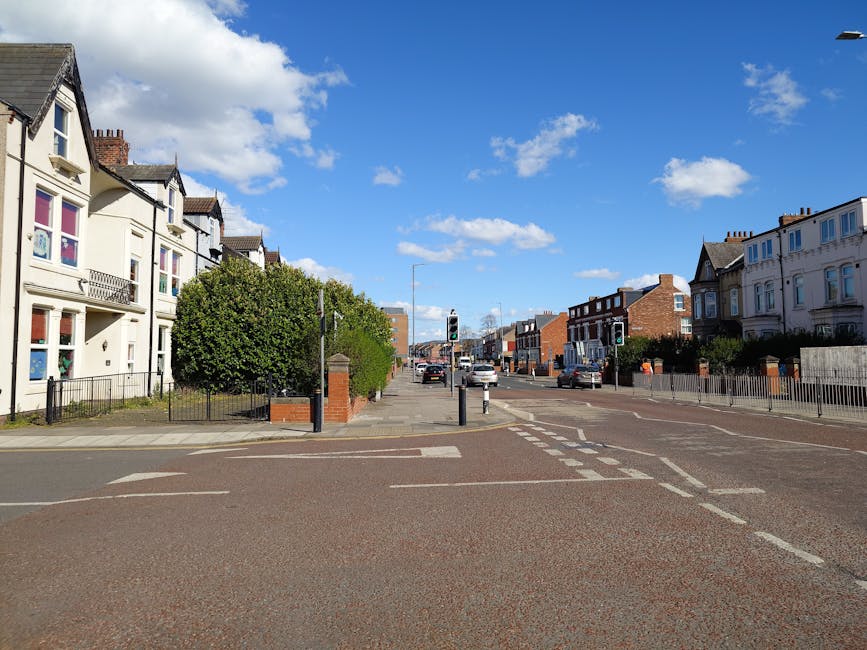
This part of London has a very particular moving rhythm. Streets can be busy, parking can be tight, and building access is often the thing that makes or breaks the job. A pickup on Fulham Road is not the same as a simple suburban collection where a van can sit outside for half an hour without anyone caring. Here, timing, access, and loading space are often the whole story.
That is why a focused local pickup service matters. A good setup reduces waiting, avoids stress for neighbours and building staff, and helps you move items without overpaying for a bigger service than you actually need. If you only need a few items collected, why book a full removals operation? On the other hand, if the job includes stairs, fragile furniture, and a strict time window, a cheap improvised solution can quickly become expensive.
In our experience, the best local pickups happen when the customer understands three things: what is being moved, where it is being collected from, and whether there are any awkward access issues. That could be a first-floor flat with narrow stairs, a basement shop with a heavy shutter, or a room-share where everyone has different ideas about what is "mine". It happens.
If you are comparing providers, it is sensible to look at the company background too. Pages such as about us, insurance and safety, and health and safety policy can help you judge whether a team takes the job seriously.
How Man and van West Brompton Lillie Road Fulham Road pickups Works
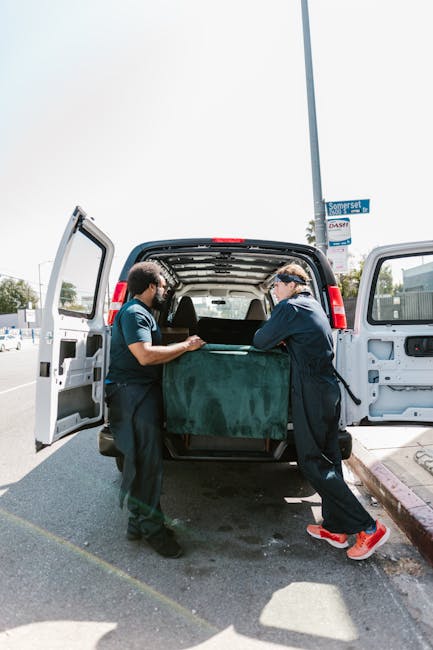
At its simplest, a man and van pickup means a driver and one or more helpers arrive with a suitable van, load the items, and transport them to the next address, storage, or disposal point. The exact process varies, but the core steps are usually the same.
First, you share the pickup details. That should include the collection address, delivery address if relevant, the kind of items involved, how many floors are involved, and whether there is lift access. If the pickup is from a main road like Fulham Road, the team may also need to plan around parking, loading restrictions, or busy traffic times. Small detail? Not really. It can save a lot of faffing about.
Next, the provider decides what size of van and how much labour is needed. A few boxes and a chair may fit easily into a small removal van. A wardrobe, a mattress, and a washing machine are a different story. You want enough space for safe loading, not just enough space for the items to technically fit. There is a difference.
Finally, the pickup itself happens. Good crews usually work methodically: protect floors where needed, load heavier items first, secure everything in transit, and confirm delivery or drop-off instructions before leaving. If packing help is needed, some customers also pair the pickup with packing and unpacking services for a smoother day.
For a lot of people, the most useful part is simply knowing that the whole job is being handled by one team instead of juggling a van hire, a separate driver, and a friend who "knows someone with straps". Let's face it, that setup can go sideways fast.
Key Benefits and Practical Advantages
A well-planned local man and van pickup is not only about moving items from A to B. It is about making a small move feel manageable. That is the real value.
- Speed: Quick booking, fast collection, and less waiting around.
- Local knowledge: Familiarity with West Brompton, Lillie Road, and Fulham Road helps with timing and access.
- Better value: You often pay for the level of help you need, not for a full-scale house move.
- Less handling: Fewer transfers mean fewer chances for damage.
- Flexibility: Suitable for furniture, boxes, appliances, student moves, and small business collections.
There is also a psychological benefit people overlook. A move feels easier when it is broken down into a clear pickup and delivery rather than a vague "we'll sort it later" arrangement. That clarity matters. Especially if you are coordinating with a landlord, a shop manager, or a building concierge who wants things done in a very specific window.
For items that need extra care, it can be sensible to check whether the provider handles specialised transport properly. If you are moving a single piece of furniture, for example, a dedicated furniture pick up approach may be more suitable than a broad general move. Similarly, if you are moving a home load rather than a single item, options like home moves or house removals may fit better.
| Service style | Best for | Typical advantage | Possible drawback |
|---|---|---|---|
| Man and van pickup | Small to medium collections, furniture, boxes, appliances | Fast and flexible | May not suit very large or multi-room moves |
| Full removals team | Whole homes, larger households, heavy inventories | More labour and capacity | Can be more than you need for a simple pickup |
| Van hire only | Self-movers with loading help available | Lower direct service level | You do more of the work yourself |
Who This Is For and When It Makes Sense
This service suits a wide mix of people, and the list is longer than many expect. A student moving out of a shared flat. A tenant collecting a sofa from a seller nearby. A family moving a few large items into storage. A local cafe bringing in stock. A small office shifting chairs, monitors, and files. The common thread is that the job is not huge, but it still needs proper handling.
It also makes sense when timing matters. Maybe you have to collect after work, before a new tenant arrives, or during a tight building access slot. Maybe the collection point is close enough that a long-distance move would be unnecessary, but awkward enough that doing it yourself would take all day. That is where a local pickup service earns its keep.
Businesses along and around Fulham Road can especially benefit from a straightforward van pickup for seasonal stock, furniture changes, or one-off deliveries. And if the job grows into a more involved relocation, moving into a dedicated service such as commercial moves or office removals can make more sense.
Ask yourself: is this a one-off pickup, or is it really the start of a bigger move? That one question often clears the fog.
Step-by-Step Guidance
If you want the pickup to run smoothly, a little preparation goes a long way. Here is the simple version.
- List everything that needs moving. Include dimensions if the items are bulky. A wardrobe "roughly big" is not a useful measurement, annoying as that sounds.
- Check access at both ends. Note lifts, stairs, door widths, and loading restrictions. If parking is tight on Fulham Road, mention it early.
- Separate fragile or valuable items. Keep passports, jewellery, laptops, and chargers with you rather than in the van.
- Pack properly. Use sturdy boxes, tape, labels, and wrapping for breakables. A little extra time here saves a lot of drama later.
- Confirm timing. If the collection depends on a building slot or a seller being present, make sure everyone has the same plan.
- Ask about loading help. Some jobs need an extra pair of hands. A man and van can be perfect, but only if the labour matches the task.
- Review the quote and terms. Check what is included, what could add cost, and whether there are conditions for waiting time or difficult access.
If you are still comparing providers, it can help to check pricing and quotes and read the terms and conditions before you book. Small print, yes, but it protects everyone.
Expert Tips for Better Results
There are a few habits that consistently improve local pickup jobs. Not glamorous, but useful.
- Measure the largest item first. That one measurement often decides whether a van is sufficient.
- Take photos of awkward access points. A quick picture of stairs, gates, or a basement entrance tells more than a paragraph of guesswork.
- Label by destination. If some boxes are going to storage and others to a new flat, mark them clearly.
- Allow a bit of slack in timing. London traffic is London traffic. No one is shocked anymore.
- Keep communication simple. One person should ideally be responsible for the booking and day-of coordination.
A slightly nerdy but very real tip: think about where the van will stop before the team arrives. If the pickup is on a road like Fulham Road, a few seconds saved in loading can matter more than you expect. The difference between "can we park here?" and "we are already loaded" is often the difference between calm and stress.
If your load includes anything awkward, such as a heavy wardrobe, antique sideboard, or a bulky office printer, make that clear up front. That way, the team can bring the right equipment. If you need only a van rather than a full crew, a removal van or moving van may be enough.
Common Mistakes to Avoid
Most problems with small pickups come from poor planning, not bad luck. Here are the usual culprits.
- Underestimating the load: "Just a few bits" can turn into two wardrobes, a table, and a car boot full of loose items.
- Ignoring access issues: Tight stairwells, no lift, or a busy main road can add time and cost.
- Not mentioning fragile items: Glass, mirrors, TVs, and artwork need to be handled differently.
- Booking too late: Good pickup slots disappear quickly, especially at weekends and month-end.
- Assuming insurance is automatic: Check what cover is included for transit and loading.
Another one: forgetting to confirm whether the service includes loading and unloading or just transport. That sounds obvious, but it catches people out more often than you'd think. A cheap quote can become less cheap once you realise you are expected to do most of the lifting yourself.
If you are moving anything valuable or difficult to replace, look for proper safeguards and ask about cover. The pages on insurance and safety and payment and security are good places to start if you want to understand how a professional provider frames that side of the service.
Tools, Resources and Recommendations
You do not need a complicated toolkit to prepare for a pickup, but a few simple items help a lot.
- Strong cardboard boxes in a sensible mix of sizes
- Packing tape and a marker pen
- Bubble wrap or paper for breakables
- Furniture blankets or pads if available
- Ratchet straps or tie-downs used by the crew for secure transit
- Phone photos of the items before collection, especially if they are valuable
For customers who want a broader service relationship, it may be worth reviewing the company's approach to trust and operations too. Pages like removal company, removal companies, and removal services can help you understand the wider offer beyond a single pickup.
If sustainability matters to you, ask how reusable packing materials and end-of-life items are handled. The recycling and sustainability page is relevant if you want to reduce waste as part of the move. Not every box needs to survive forever, but no one likes unnecessary landfill either.
Law, Compliance, Standards and Best Practice
For a small pickup, you do not usually need to become a transport-law expert. Still, there are some practical standards worth caring about.
First, any professional moving team should treat goods carefully and operate with sensible insurance arrangements. Second, access and parking rules around London roads should be respected, especially when loading in a busy area. Third, items should be secured in transit so they do not slide, tip, or get damaged. Those sound basic, but basic is what protects your furniture.
Good providers should also be clear about how they handle complaints, accessibility, and customer expectations. It is not exciting reading, granted, but the existence of a clear complaints procedure and accessibility statement tells you something useful about professionalism.
Best practice in this sort of work usually means:
- clear quotations before the job starts
- careful handling of goods and property
- honest communication about access or timing issues
- appropriate insurance and safety procedures
- respect for privacy and personal items during the move
You do not need perfection. You need competence, transparency, and a team that does the unglamorous parts properly.
Options, Methods, or Comparison Table
Choosing between a pickup-only job, a man and van arrangement, or a fuller removals service depends on how much work needs doing. Here is a practical comparison.
| Option | Best when | What you get | Good to know |
|---|---|---|---|
| Man and van pickup | You have a small-to-medium load and need flexible local transport | Driver, van, and loading help | Often the best fit for short-notice collections |
| Man with a van | You want a simple, hands-on moving solution | Transport plus practical lifting support | Useful for mixed items and one-off pickups |
| Full removals service | You are moving a house or large set of items | More labour and broader moving support | Better for complex moves, less ideal for a single item |
| Removal truck hire | You already have movers and only need the vehicle | A larger vehicle solution | Works only if you can manage the loading yourself |
If you are not sure where you sit, ask one simple question: who is doing the lifting, and how much of it? That tends to reveal the best option very quickly.
Case Study or Real-World Example
Imagine a tenant in West Brompton needing to clear a one-bedroom flat near Lillie Road. The job involves a double mattress, a small desk, three boxes of books, a lamp, and a mirror. There is a narrow stairwell, and the collection window is between 10:00 and 12:00 because the landlord's cleaner is coming in after lunch.
A man and van setup works well here. The customer sends photos of the desk and mattress, mentions the stairs, and confirms that parking is possible for a short loading stop. The van arrives in a time slot that avoids the worst of the midday rush, the team brings protective wrapping for the mirror, and the whole collection is done without the tenant having to borrow a friend's car or make three separate trips.
What made it work? A few boring but vital things: honest item list, clear access details, and realistic timing. No heroics. No chaos. Just a tidy local pickup that solved the problem.
That is the thing with these jobs. When they go well, they seem almost too simple. But they only feel simple because the planning was done properly beforehand.
Practical Checklist
Use this before your pickup day. It is short on purpose.
- Have I listed every item that needs collecting?
- Have I measured anything large, heavy, or awkward?
- Have I told the provider about stairs, lifts, or narrow access?
- Have I checked whether parking or waiting could be an issue?
- Have I confirmed the collection time and contact name?
- Have I packed fragile items securely?
- Have I separated anything I want to keep with me?
- Have I checked what is included in the quote?
- Have I reviewed insurance, payment, and terms?
- Have I planned where items are going after collection?
If you can tick all ten, you are already ahead of most people. Truth be told, half the battle is just being organised enough to make the day boring. Boring is good here.
Conclusion
A local pickup on West Brompton, Lillie Road, or Fulham Road should feel straightforward, not overwhelming. The right man and van choice gives you flexibility, speed, and just enough help to get the job done properly without overcomplicating it.
The main thing is to match the service to the real job: small pickup, medium load, awkward access, fragile items, or a time-sensitive collection. Get those details right early and the rest tends to fall into place. If you are unsure, start with the items, the access, and the timing. That clears up most of the uncertainty immediately.
If you want to explore the wider service range, take a look at man and van removals or movers for a broader sense of what is available beyond a simple pickup.
Get a free quote today and see how much you can save.
And if the day feels a bit full-on, that is normal. A good pickup team should take the weight off your shoulders, quite literally, and leave you with one less thing to worry about.
Frequently Asked Questions
What is a man and van pickup for West Brompton, Lillie Road and Fulham Road?
It is a local moving service for collecting and transporting items using a van and one or more helpers. It suits furniture, boxes, appliances, and small collections that do not justify a full removals team.
How do I know if I need a man and van or a full removals service?
If you are moving just a few items or a modest load, a man and van is usually enough. If you are moving an entire home, lots of furniture, or a more complex inventory, a fuller service may be better.
Can a man and van handle pickups from flats with stairs?
Yes, usually. Just make sure you mention stairs, lifts, narrow corridors, or any awkward access before booking so the team can plan properly.
Is parking on Fulham Road a problem for pickups?
It can be. Busy streets often need careful timing, loading consideration, and a realistic plan for where the van will stop. Always flag access issues early.
What should I tell the moving team before collection?
Share the item list, approximate sizes, collection and delivery addresses, access details, and any fragile or valuable items. The clearer you are, the smoother the job tends to be.
Do I need to pack everything myself?
Not always. Some customers pack everything in advance, while others use packing and unpacking services for extra help. It depends on the size and urgency of the job.
How far in advance should I book a pickup?
As early as you can, especially if the job needs a weekend slot or a specific time window. For straightforward weekday collections, short notice may still be possible, but don't leave it to chance.
What happens if the items are larger than expected?
The team may need a larger van, extra labour, or a revised plan. That is why accurate descriptions and photos are so helpful before the job starts.
Are my items protected during transport?
They should be secured properly in the van and handled with care. It is sensible to check the provider's approach to safety and cover, especially for fragile or valuable items.
Can I use a pickup service for business items too?
Yes. Small businesses often use these services for stock, furniture, office items, or one-off collections. If the job is larger, commercial or office-focused options may be more appropriate.
What if I only need one item moved, like a sofa or bed?
That is exactly the sort of job a local pickup can handle well. A single-item move is often far more efficient with a small van than trying to organise a larger service.
How can I keep costs under control?
Be accurate about item size, avoid last-minute changes, pack items properly, and give full access details up front. Clear information usually leads to a cleaner quote and fewer surprises later.